Appliance Removal and Disposal Guide for Atlanta
Updated August 24, 2026 • 8 min read
Appliances are bulky, heavy, and sometimes connected to water, gas, electricity, cabinetry, or ventilation. Safe removal starts with identifying the connection type, clearing the route, and confirming whether a licensed trade must disconnect anything before hauling.
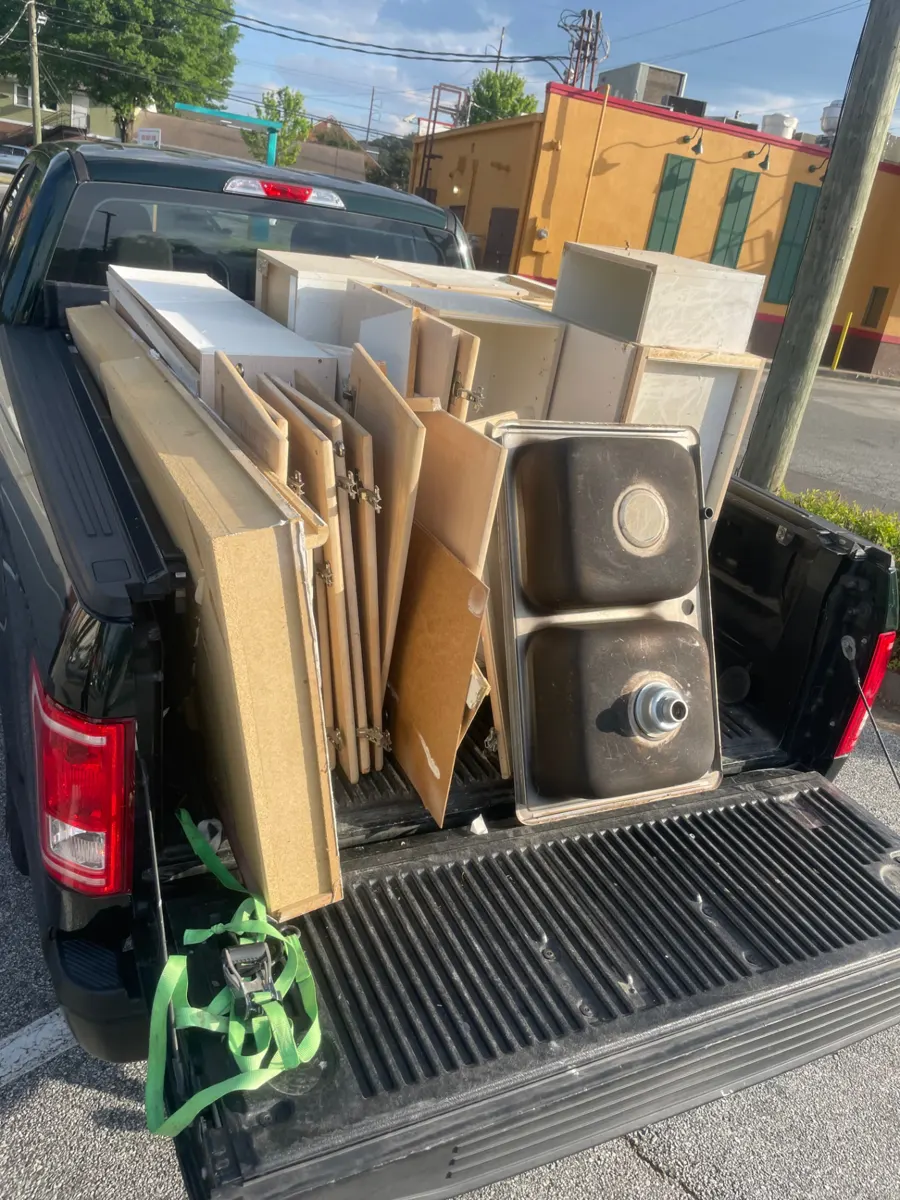
Kitchen cabinets & sink hauled
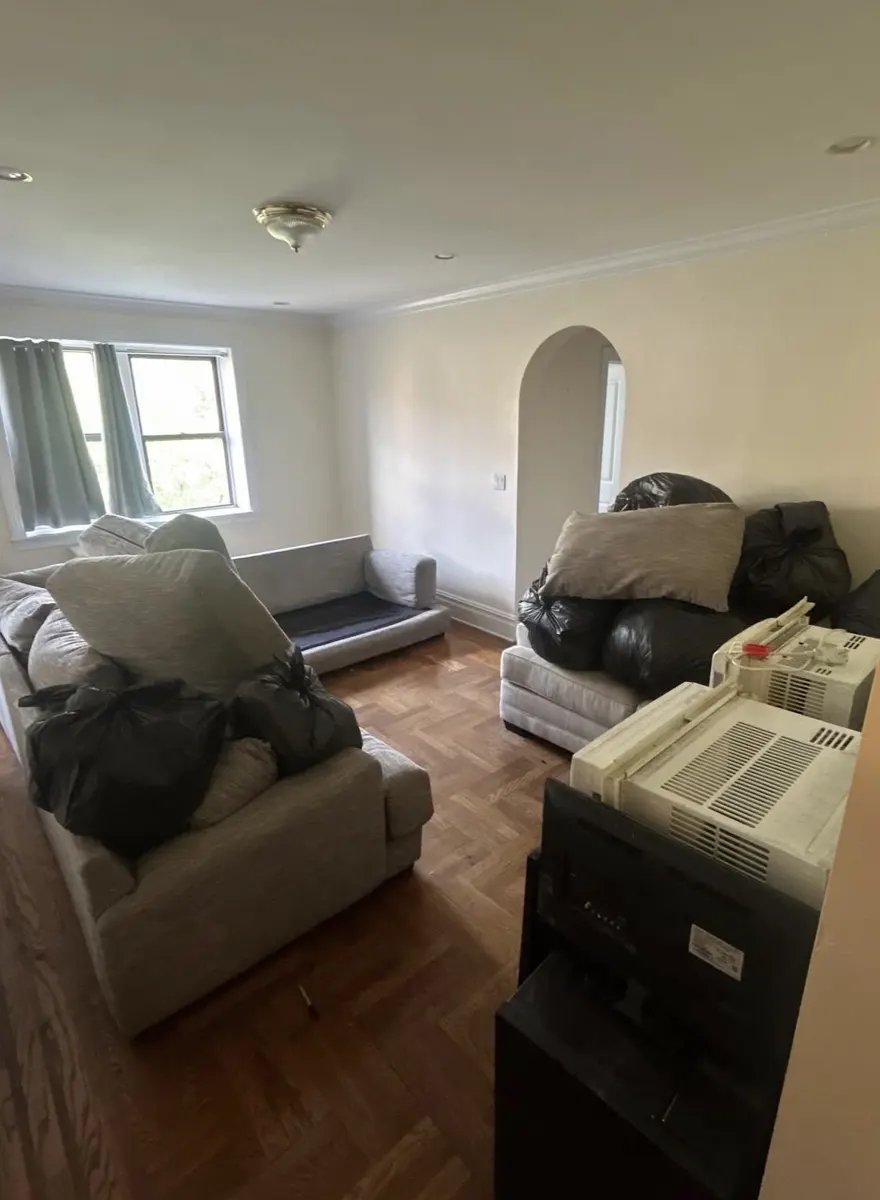
Apartment living room — before
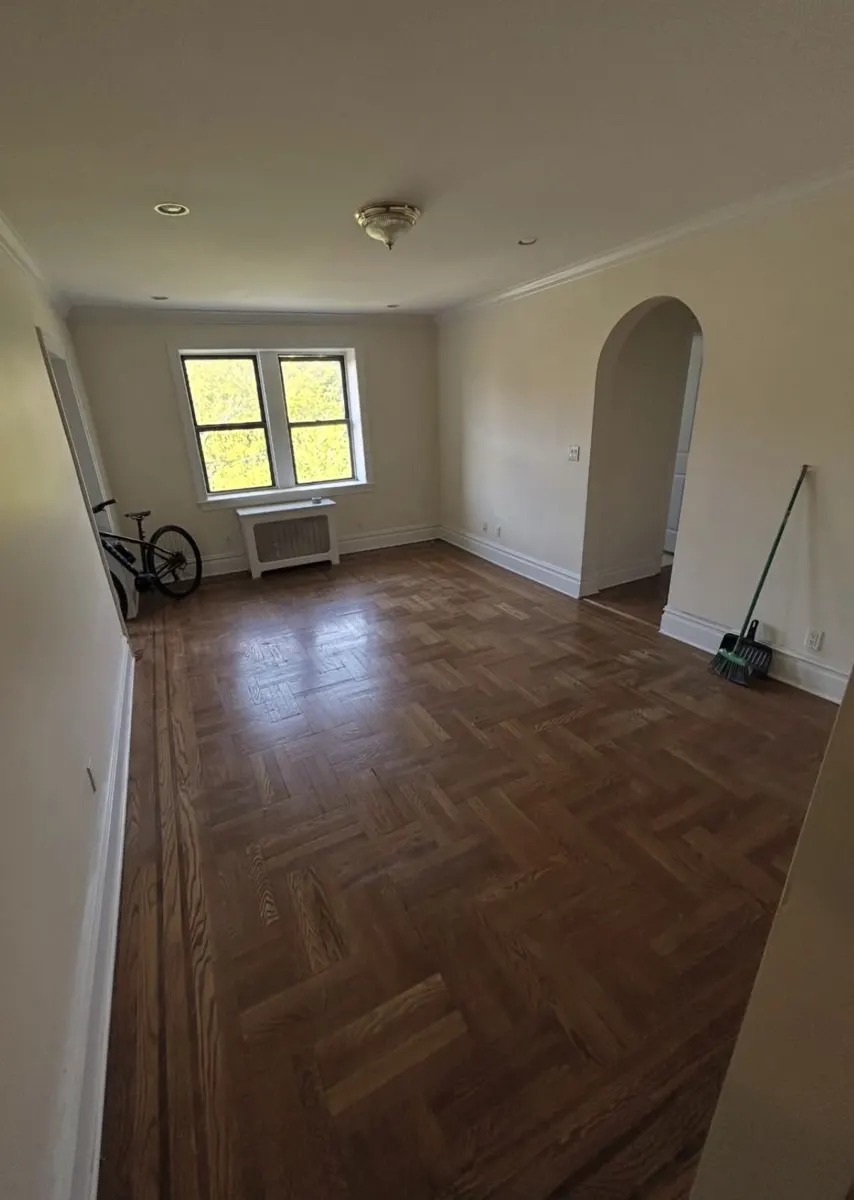
Apartment living room — after
Identify the appliance and every connection
List the appliance type, approximate size, floor, and access path. Note whether it is freestanding, stacked, built in, hardwired, connected to gas, attached to a water line, or installed behind cabinets or doors.
Standard plugs and accessible water connections may be straightforward, but gas lines, hardwired appliances, built-in equipment, and uncertain connections should be handled by the appropriate qualified professional before removal.
- Refrigerator or freezer water line
- Washer supply and drain hoses
- Dryer power, vent, or gas connection
- Range or oven electrical or gas connection
- Built-in dishwasher or microwave mounting
Empty, clean, and stabilize the appliance
Remove food, liquids, detergents, lint, loose shelves, trays, and personal items. Defrost freezers early enough to prevent water leaks and protect nearby flooring. Secure doors and removable parts only after the appliance is empty and ready to move.
Do not tip, drag, or dismantle a heavy appliance without the correct equipment. Share tight corners, stairs, narrow doors, and flooring concerns with the crew before arrival.
Protect the exit path
Measure the appliance and compare it with doors, hallways, elevators, stair turns, and gates. Sometimes removing a house door or appliance door creates the clearance needed, but that should be planned before moving begins.
Reserve building elevators and loading areas when required. Keep children and pets away from the route, remove small obstacles, and provide parking or gate instructions to the pickup team.
- Measure appliance width and depth
- Confirm door and elevator clearance
- Protect loose flooring and thresholds
- Reserve loading access
- Tell the crew about every stair or long carry
Plan appropriate recycling or disposal
The best destination depends on appliance type, condition, refrigerants, electronics, and local facility requirements. Reusable or recyclable components may have different handling requirements from ordinary household junk.
Describe the appliance accurately when booking, especially refrigerators, freezers, air-conditioning equipment, commercial units, and anything containing unknown fluids or chemicals. That helps the team confirm whether standard pickup is appropriate.
Frequently Asked Questions
Do appliances need to be disconnected before pickup?
They should be safely disconnected before hauling. Gas, hardwired, built-in, or uncertain connections may require a qualified trade.
How should I prepare a refrigerator or freezer?
Remove all contents, defrost it in advance, manage meltwater, disconnect the water line when appropriate, and secure loose shelves or drawers.
Can appliances be removed from upstairs or apartments?
Yes, subject to safe access and building rules. Share stairs, elevators, tight doors, parking, and loading instructions before arrival.
Can multiple appliances be included in one pickup?
Yes. List each appliance and access condition. Item or load pricing can then be compared based on the full scope.
Related Big Boys Resources
Related service
Appliance RemovalServing nearby areas
See matching jobs we've completedReady to clear it out?
Big Boys Junk Removal handles the lifting, loading and disposal. Get an upfront price online in about a minute, or call and talk to a real person.